
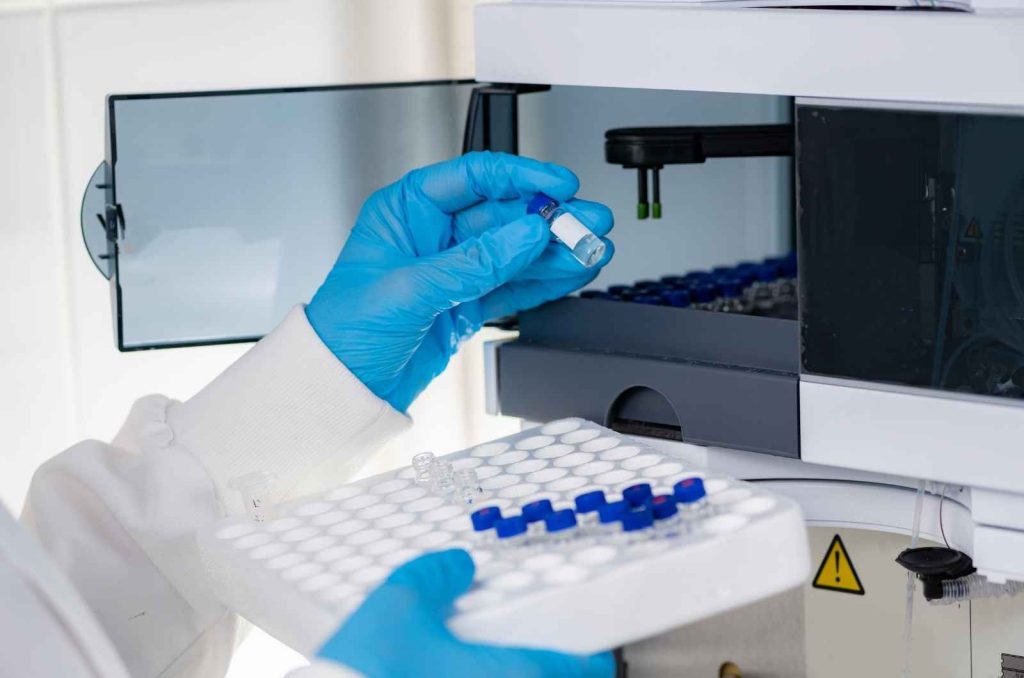
Introduction to Preclinical Development
Diving into the world of pharmaceuticals, you're about to unravel the first critical step behind the medicines and treatments you trust: Preclinical Development. This phase is where the magic begins, transforming initial research into potential life-saving drugs. It's all about testing the waters before human trials, ensuring safety and efficacy. Think of it as the unsung hero in drug development, laying the groundwork for all future breakthroughs. So, buckle up! You're on a journey to discover how preclinical development shapes the path from laboratory benches to your medicine cabinet.
?What Constitutes Preclinical Development
At the heart of preclinical development lies a meticulous process designed to ensure that only the most promising compounds make it to your medicine cabinet. It's a rigorous journey where scientists and researchers leave no stone unturned, from in vitro (test tube) experiments to in vivo (living organism) studies. This phase is your first assurance that every effort is being made to predict how a new drug will behave in the human body.
In this stage, researchers are like detectives, examining the compound's pharmacodynamics (what the drug does to the body) and pharmacokinetics (what the body does to the drug). They're looking for answers to crucial questions: Is the compound toxic? What's the right dosage? How is it absorbed, distributed, metabolized, and excreted?
Preclinical development is your sneak peek into the science behind safety and effectiveness. It's where potential treatments are put to the test, ensuring they have what it takes to advance to human trials. So, when you hear about a new drug on the horizon, remember the pivotal role preclinical development plays in turning scientific breakthroughs into real-world therapies.
Why is Preclinical Development Crucial in Pharmaceutical Research?
Imagine launching into human trials without a solid foundation. That's where preclinical development comes into play, acting as the backbone of pharmaceutical research. It's the safety net that ensures only compounds with the potential to be both safe and effective make it to the next stage. Without this critical phase, the risks could outweigh the benefits, putting patient safety on the line.
Preclinical development by biotechfarm serves as a rigorous checkpoint, filtering out compounds that don't meet the stringent criteria required for further development. It's about making informed decisions, saving time, resources, and most importantly, ensuring that future clinical trials are built on a bedrock of robust data. This phase is where hypotheses are tested, theories are validated, and the groundwork for successful human trials is laid.
In essence, preclinical development is not just crucial; it's indispensable. It's the unsung hero that paves the way for groundbreaking treatments, ensuring that when a new drug is introduced to human participants, it has passed the litmus test of safety and efficacy. So, when you think about the journey of a drug from lab to life, remember the pivotal role preclinical development plays in turning hope into healing.
?What are the Key Steps in Preclinical Development
Embarking on the preclinical development journey, you'll find it's a meticulously structured process, each step designed to bring a potential drug closer to reality. The first step is the In Vitro Studies, where compounds are tested in a controlled lab environment, away from living organisms. This is where scientists get the first glimpse of a compound's potential, studying its effects on cells or tissues in a petri dish.
Next up are the In Vivo Studies, a crucial leap where the compound is introduced to living organisms, typically mice or rats. This stage is where the rubber meets the road, examining how the compound behaves in a complex living system. It's all about safety and efficacy, determining the right dosage, and uncovering any possible side effects.
Toxicology Testing then takes center stage, focusing squarely on safety. Here, researchers delve deep into the compound's toxic effects, looking for the threshold where it starts causing harm. This step ensures that any risks are thoroughly understood before moving on.
These key steps in preclinical development are your assurance that by the time a drug reaches human trials, it's passed a rigorous examination, setting the stage for safe and effective treatments. Remember, it's this careful, step-by-step process that lays the foundation for medical breakthroughs and innovations.
Summary: The Impact of Preclinical Development on Drug Discovery
Preclinical development is the unsung hero of the pharmaceutical world, a critical phase that paves the way for all the medical breakthroughs that follow. It's your assurance that every drug reaching the market has been put through a rigorous vetting process, aimed at ensuring safety and efficacy. This phase is where potential becomes possibility, where the medicines of tomorrow start their journey today. The impact of preclinical development on drug discovery is monumental, laying the foundation for treatments that can change lives. So, the next time you hear about a new drug breakthrough, remember the pivotal role played by preclinical development in turning scientific promise into a reality.