
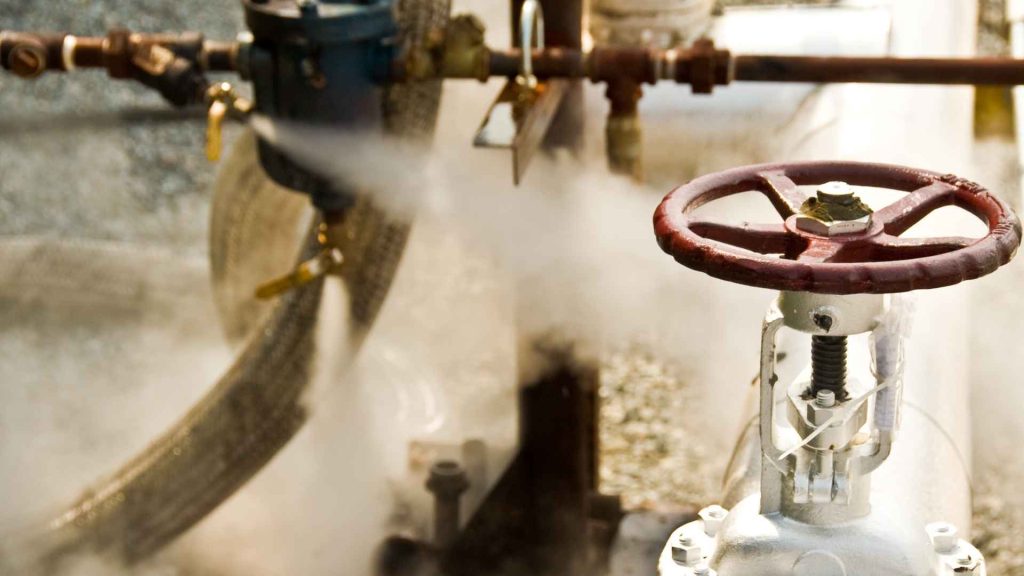
High pressure valves must meet several criteria. The main consideration is the safety. These valves should be able to handle the pressure levels in the system without failing. The standards for high-pressure equipment must also be adhered to when designing the valve. The QB3H valve is one such example. It was originally developed for use in laser cutting with gases. Despite its success in laser cutting with gases, the valve is widely used across many industries. It is compact in size and can regulate the flow of gases at high temperatures makes it an excellent choice. The unit provides 1:1 control over high pressures and flows up 50 SCFM.
The material used for the high-pressure valves also matters. PTFE is the most common material for the valve's body and seat. Its low friction properties help prevent any leakage from the valve’s mechanical parts. Other common materials include polytetrafluoroethylene (PTFE), viton, and polyetheretherketone. Consult a professional to help you select the best high-pressure valve.
What are the features of high pressure valves?
There are many options for high-pressure valve materials. The cheapest are made of ductile steel, which can absorb shock but is prone for corrosion. Brass and bronze valves are best for severe applications. Stainless steel, on the other hand, is expensive and has excellent corrosion resistance and high tensile strength at high temperatures. High-pressure valves made from stainless steel, monel and Inconel are the best.
Another important feature of high pressure valves is their ability handle a wide range in pressures. The most important consideration is the process medium they will be used in. This could be a liquid, a gas, or steam. It doesn't matter if the process medium is inert or corrosive or hot or cold. They should be rated accordingly. The size of the valve is the most important factor. The larger the valve is, the better.
High-pressure operations require that the pipe diameters be small. This makes high pressure valves more suited for smaller processes. The valve design is also affected by the pipe size. These valves must be small and function well with a high pressure difference. If the system does not include a balancing mechanism, these valves can cause significant damage to the pipes.
Safety is paramount in high-pressure valves. It is important to consider the material used for the body of the valve. It should be resistant to corrosion and not corrode easily. They should be easily replaced if they are required. Some high-pressure valves can be manual, while others require a high-pressure setting. The high-pressure valve material and type must be compatible with other components of the system.
Different types of high pressure valves are appropriate for different applications. Some are suitable for higher pressures while others are not. The materials of a high-pressure valve are important for certain industries. They should also be resistant to corrosion. Some manufacturers recommend these types of valves for specific applications. They should also last. This will protect the equipment. These are vital for many industrial uses. They shouldn't have to fail or leak during use.
The process medium must be compatible with the material used to make a high pressure valve. The materials used in this application should be suitable for the temperature ranges in the process. A high-pressure valve made from stainless steel is suitable for high-temperature applications. A similar material is also suitable for cold-pressure systems. It should not be able to withstand abrasion. Once this is established, the high-pressure valve should be able to handle the temperature levels in the environment.
The material used for high-pressure valves is important. In some cases, the materials used will be dependent on the environment. These materials must be corrosion-resistant. The valves must also be resistant to high pressure. These components must be able to withstand high-pressure levels. They should be able to withstand the temperature and pressure of the fluid being handled. The material must also be durable.