
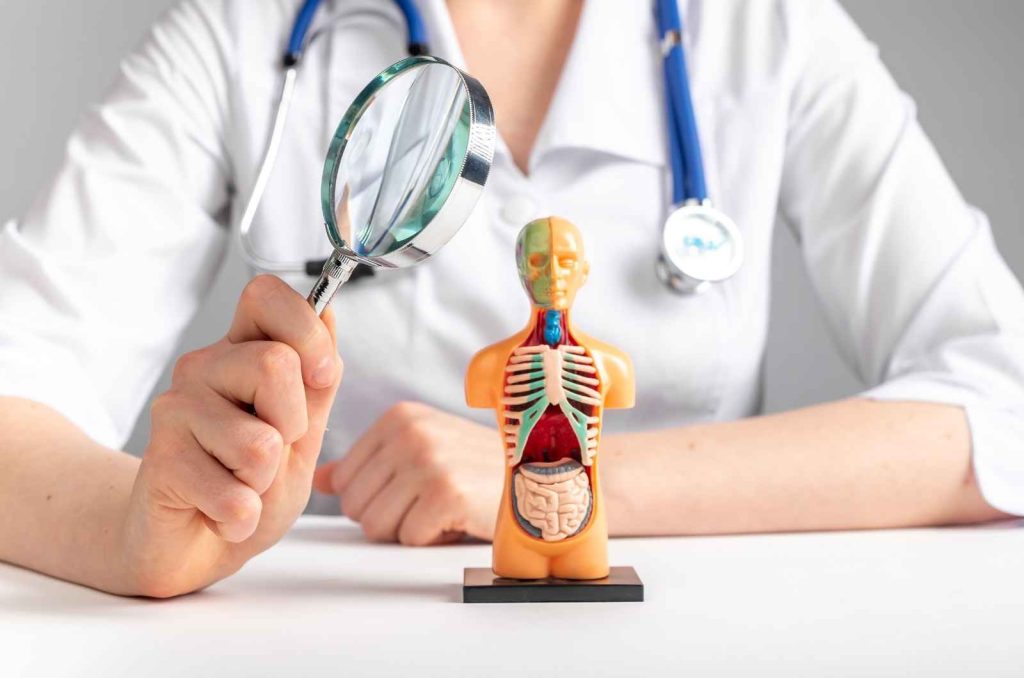
Embarking on the journey to become a proficient surgeon is a rigorous and intricate process that encompasses more than just academic study. It involves a blend of theoretical knowledge, technical skills, and real-life practice. This article aims to shed light on how medical students transition from textbooks to the operating room, focusing on the critical role of real-life practice in surgical training. As we delve into the educational path that shapes future surgeons, we explore the innovative methods and hands-on experiences that prepare them for the challenges of the operating theater.
?What Are the Initial Steps in Surgical Training
The journey to mastering surgery begins long before stepping into an operating room. Initially, medical students immerse themselves in rigorous academic studies, focusing on the human anatomy, physiology, and the fundamentals of diseases. This foundational knowledge is crucial for understanding the complexities of the human body and the impact of surgical interventions. Following the theoretical groundwork, students progress to more specialized courses that delve into surgical techniques, patient care, and ethics in surgery. This phase often includes problem-based learning, where students analyze case studies to understand the decision-making process in surgical care.
Simultaneously, medical students start developing their practical skills through laboratory work, where they learn basic suturing techniques and handle surgical instruments. This early exposure to hands-on activities is designed to build a comfort level with the tools of the trade before moving on to more advanced procedures. Additionally, observing surgeries and participating in clinical rotations allows students to witness the dynamics of the operating room firsthand, setting the stage for their transition from observers to active participants in surgical procedures.
?How Do Simulation and Virtual Reality Enhance Surgical Skills
In the realm of surgical training, simulation and virtual reality (VR) have emerged as game-changers, offering a safe and controlled environment for honing surgical skills. These innovative technologies enable trainees to practice complex procedures without the risk associated with real-life surgeries. Simulators, ranging from basic models to high-fidelity machines, mimic the human anatomy and surgical scenarios, allowing students to experience the tactile feedback and visual dynamics of surgery. This hands-on practice is crucial for developing muscle memory and improving manual dexterity.
Virtual reality takes this experience a step further by immersing trainees in a 3D operating environment. With VR headsets, students can navigate through detailed anatomical structures and perform simulated surgeries with realistic tools and instruments. This level of interactivity not only enhances spatial awareness but also allows for the repetition of procedures, which is essential for mastering surgical techniques. Moreover, VR simulations can be tailored to replicate specific surgical challenges, providing a personalized learning experience that addresses the unique needs of each student. By integrating simulation and virtual reality into the curriculum, surgical training programs significantly improve the preparedness of future surgeons for the complexities of real-life operations.
?What Role Does Real-Life Practice Play in Surgical Training
Real-life practice is the cornerstone of surgical training, bridging the gap between theoretical knowledge and the realities of the operating room. Despite the advancements in simulation and virtual reality, the unpredictability and complexity of live surgeries provide invaluable learning opportunities that cannot be fully replicated in a simulated environment. Engaging in real-life surgeries allows trainees to apply their acquired skills in a dynamic setting, adapting to the varying conditions and challenges that arise during procedures.
Under the guidance of experienced surgeons, trainees gradually transition from observing to assisting and eventually leading surgeries. This mentorship is crucial, offering direct feedback and personalized instruction that fosters growth and confidence. Real-life practice also exposes medical students to the multidisciplinary nature of surgical care, including teamwork, communication, and decision-making under pressure. These experiences cultivate a comprehensive skill set that encompasses both the technical and non-technical aspects of surgery.
Furthermore, participating in actual surgeries enables trainees to understand patient care from a holistic perspective, including pre-operative preparation and post-operative management. This hands-on approach ensures that by the time they complete their training, new surgeons are not only proficient in surgical techniques but are also compassionate and effective caregivers.
The journey to becoming a skilled surgeon is a comprehensive process that integrates academic learning, simulation, virtual reality, and real-life practice. Each step is designed to build upon the last, gradually preparing medical students for the demands of surgical care. From the foundational knowledge of human anatomy to the immersive experiences of VR simulations, and finally, the invaluable lessons learned in the operating room, every aspect contributes to their development. It's the combination of these elements, underpinned by mentorship and continuous learning, that equips future surgeons with the expertise, confidence, and compassion needed to excel in their field.
click here for more info: biotechanatomy.co.il